
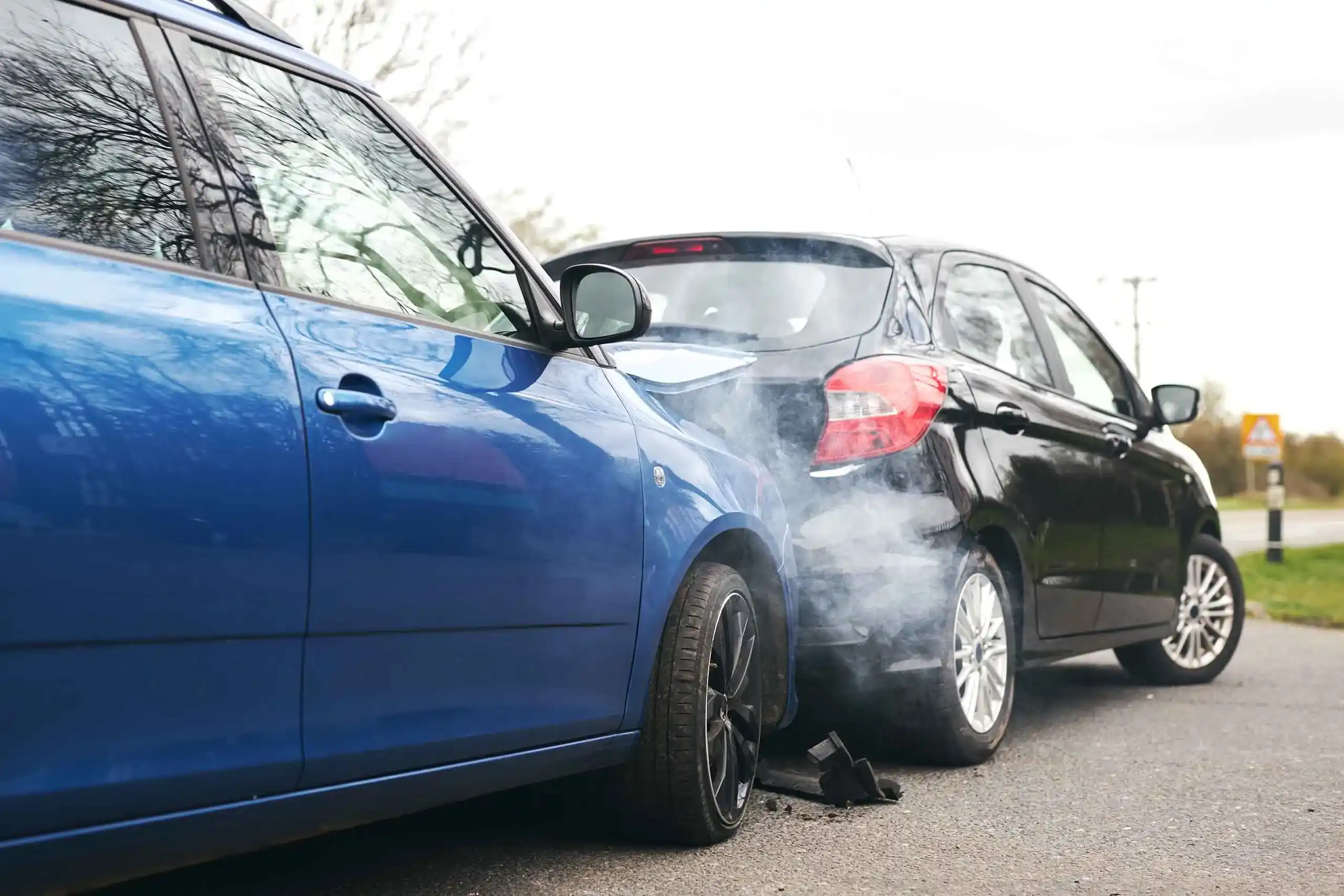
We Represent Grieving Families in New York in Fatal Car Accident Claims
Losing someone in a car crash changes a family in an instant. Along with grief, surviving family members may face funeral expenses, lost financial support, unanswered questions about the accident, and calls from insurance companies. When another driver’s negligence caused a fatal car accident in Queens, New York law may allow the proper estate representative to pursue legal action.
At Poltielov Law Firm P.C., we represent families after deadly motor vehicle crashes throughout Queens. Our attorneys investigate how the collision happened, identify potentially responsible parties, preserve evidence, review available insurance coverage, and document the financial losses caused by the death. When appropriate, we also evaluate whether both a wrongful death claim and a survival action may be available.
A fatal car accident case is different from an ordinary injury claim. Estate requirements, wrongful death laws, insurance issues, and evidence concerning the victim’s condition before death can all become important. Call 718-880-2911 for a free consultation with a Queens fatal car accident lawyer.
Fatal Car Accident Claims Are Different From Ordinary Injury Cases
An ordinary car accident case focuses primarily on the injuries and losses suffered by the person who survived the collision. When someone dies, additional legal questions arise. The family must determine who has authority to bring the claim, who may benefit from the recovery, and whether the evidence supports both wrongful death and survival damages.
The timing of the death can also matter. Some victims die at the accident scene, while others survive for hours, days, weeks, or longer before passing away from their injuries. Medical records and other evidence from that period may become important when determining whether a survival claim for conscious pain and suffering is available.
Insurance issues can become more complicated as well. Multiple vehicles, commercial policies, umbrella coverage, and uninsured or underinsured motorist coverage may need to be investigated. Our attorneys approach a deadly crash as more than a standard insurance claim because the legal and financial consequences can be significantly different.
Proving Who Caused a Fatal Car Accident
A fatal outcome does not automatically establish negligence. The evidence must show how the crash occurred and which person or business was legally responsible. This can become especially difficult when the person who died cannot provide their own account of what happened.
Police reports, photographs, surveillance video, dashcam footage, witness statements, vehicle damage, electronic vehicle information, and roadway evidence may all help reconstruct the collision. Depending on the circumstances, accident reconstruction experts may analyze speed, vehicle movements, impact points, visibility, braking, and other technical evidence.
Evidence should be preserved as soon as possible. Video may be overwritten, vehicles may be repaired or destroyed, and witnesses can become harder to locate over time. An early investigation gives the family’s legal team a better opportunity to determine what happened without relying entirely on the other driver’s version of events.
Common Causes of Deadly Crashes in Queens
Fatal accidents can result from many forms of negligent or reckless driving. Speeding, distracted driving, impaired driving, failure to yield, unsafe lane changes, running traffic signals, and following too closely can all contribute to a deadly collision. Serious crashes can also involve drivers who fail to adjust their speed or behavior for traffic, weather, or roadway conditions.
The cause should be established through evidence rather than assumptions. For example, a collision occurring late at night does not prove that the driver was impaired or fatigued. Phone records, video, witness accounts, toxicology results, vehicle data, and other information may provide a clearer picture.
Some accidents involve factors beyond the conduct of one driver. A defective vehicle component, dangerous roadway condition, commercial vehicle, or negligent employer may introduce additional defendants and legal issues. Our attorneys investigate those possibilities when the facts support them.
Multiple Parties May Be Responsible for a Fatal Crash
A fatal collision does not always have one responsible driver. Two or more motorists may have contributed to the accident, particularly in multi-vehicle crashes. New York’s comparative negligence rules allow fault to be evaluated and divided among the people or entities involved.
Liability can also extend beyond an individual driver. A company may potentially be responsible when an employee causes a collision while acting within the scope of employment. Commercial vehicle owners, contractors, vehicle manufacturers, or government entities may also need to be investigated depending on what caused the crash.
Identifying every potentially responsible party can affect both liability and available insurance coverage. Our attorneys examine ownership, employment relationships, insurance policies, and the events leading to the collision before determining which claims should be pursued.
The Personal Representative Brings the Wrongful Death Claim
Under New York law, a wrongful death action is maintained by the duly appointed personal representative of the deceased person’s estate for the benefit of qualifying distributees. A spouse, child, or parent does not automatically file the lawsuit individually simply because that person was close to the victim.
The representative may be an executor appointed under a will or an administrator appointed through the appropriate estate proceeding. If no representative has been appointed, that process generally must be addressed before the wrongful death action can be maintained.
The person authorized to bring the lawsuit is not necessarily the only person who may benefit from it. Eligible distributees and their financial losses must be evaluated separately. Our broader wrongful death practice addresses these estate and beneficiary issues in greater detail when families need guidance beyond the motor vehicle portion of the case.
Wrongful Death and Survival Claims After a Fatal Crash
A fatal car accident may result in both a wrongful death claim and a survival action, but the two address different losses. The wrongful death portion focuses on qualifying pecuniary injuries suffered by the deceased person’s distributees because of the death. The survival action addresses damages that belonged to the injured person before death.
This distinction becomes especially important when someone survives the collision for a period before dying. If evidence shows that the victim experienced conscious pain and suffering, those damages may become part of the survival action. Medical treatment and other losses incurred between the collision and death may also need to be evaluated.
Both claims can arise from the same crash and may be pursued together when supported by the evidence. Keeping them legally distinct helps ensure that damages belonging to the estate are not confused with the financial losses experienced by qualifying family members.
Medical Treatment and Conscious Pain Before Death
Some victims suffer catastrophic injuries and receive emergency or hospital care before they die. Medical records from that period can provide important evidence about the injuries, treatment, level of consciousness, and progression of the person’s condition. Emergency responders, doctors, nurses, and other witnesses may also have information about the victim’s awareness.
Conscious pain and suffering is not automatically assumed because someone survived for a certain amount of time. Evidence must support awareness of the injuries or suffering. In some cases that evidence is strong, while in others the nature of the injuries makes consciousness difficult or impossible to establish.
Medical expenses related to the fatal injuries may also be relevant to the case. Bills, treatment records, ambulance records, and hospital documentation should be preserved along with other evidence. These records can help establish both the medical consequences of the collision and damages resulting from it.
Compensation After a Fatal Car Accident
Current New York wrongful death law generally focuses on pecuniary injuries, meaning measurable financial losses suffered by qualifying distributees. Recoverable damages can include lost financial support, reasonable funeral expenses, qualifying medical expenses related to the fatal injury, and the value of certain services the deceased person would have provided.
Future earnings may be relevant when supported by evidence concerning the person’s age, health, occupation, earnings history, benefits, and expected career path. Household services can also carry economic value. A parent, for example, may have provided childcare, transportation, education, guidance, and other services that now must be replaced or have been permanently lost.
Current state law does not broadly compensate surviving family members simply for their grief, sorrow, or emotional distress. That distinction is important because information about wrongful death damages from other states may not accurately describe New York law. The available damages must be calculated under the rules that apply here.
Insurance Coverage After a Fatal Car Crash
Insurance coverage can have a major effect on a fatal accident case. The at-fault driver’s liability policy is an obvious place to begin, but it may not be the only coverage available. Additional policies can sometimes apply when a vehicle is owned by someone else, the driver was working, a commercial vehicle was involved, or other circumstances create additional insured parties.
New York’s no-fault system may also provide certain benefits after a motor vehicle collision. No-fault benefits and a wrongful death lawsuit serve different purposes, so receiving one type of benefit does not necessarily answer every question about the family’s legal options.
Uninsured and underinsured motorist coverage should also be investigated when appropriate. If the person who caused the fatal crash had no insurance or insufficient coverage, another applicable policy may become important. Our attorneys review the available policies rather than assuming the at-fault driver’s stated liability limit is the only possible source of recovery.
Fatal Crashes Involving Criminal Charges
Some deadly crashes lead to criminal charges against the driver, particularly when allegations involve impaired driving, reckless conduct, leaving the scene, or other serious behavior. A criminal prosecution and a civil claim are separate proceedings. The government prosecutes the criminal case, while the personal representative pursues the civil action seeking compensation for qualifying losses.
A criminal conviction is not required before a family can explore a civil claim. The two proceedings have different purposes, standards, and rules. Evidence developed during a criminal investigation may nevertheless become relevant to the civil case when it can legally be obtained and used.
Families should not assume that prosecutors will handle the financial side of the case for them. A civil attorney can separately investigate insurance coverage, damages, and potentially responsible parties while monitoring developments in the criminal proceeding.
Fatal Accidents Involving Commercial Vehicles
A deadly collision involving a truck, delivery vehicle, rideshare driver, or other commercial vehicle may require an investigation beyond the actions of the individual driver. Employment relationships, vehicle ownership, company records, commercial insurance policies, and maintenance information can become important. These cases may also involve multiple defendants.
Truck collisions can require additional evidence such as driver records, electronic data, inspection documents, maintenance records, and company information. Rideshare cases can raise separate questions about the driver’s status and which insurance coverage was active when the collision occurred.
Poltielov Law Firm P.C. handles these specialized motor vehicle claims as part of our broader personal injury practice. When a commercial vehicle causes a death, we investigate both the driver and the businesses connected to the vehicle rather than treating the case like an ordinary two-car collision.
Fatal Pedestrian and Bicycle Accidents
People walking or riding bicycles have little protection when struck by a motor vehicle. Fatal pedestrian and bicycle crashes may involve failure to yield, unsafe turns, speeding, distracted driving, impaired driving, or other forms of negligence. Video and witness evidence can be especially important when the person who died cannot explain how the collision occurred.
The investigation may include the driver’s actions, traffic signals, crosswalks, bicycle infrastructure, lighting, visibility, vehicle damage, and the positions of the parties before impact. Nearby businesses, homes, buses, or other vehicles may have recorded video of the collision.
These cases can also involve insurance issues that differ from those in a collision between two passenger vehicles. Our attorneys examine the specific circumstances of the crash and determine which policies, defendants, and legal claims may apply.
The Deadline for a Fatal Car Accident Claim
Under New York law, a wrongful death action generally must be commenced within two years from the date of death. Families should not assume that the three-year period associated with many ordinary personal injury actions automatically controls a death claim. Missing the applicable deadline can prevent an otherwise valid case from moving forward.
Other deadlines may be shorter. Claims involving New York City or another government entity can require a Notice of Claim and compliance with additional municipal procedures. The underlying facts and defendants should therefore be reviewed early rather than waiting until the two-year deadline approaches.
Acting early also protects the investigation. Legal deadlines may provide months or years to file a lawsuit, but important crash evidence can disappear within days or weeks. Preserving evidence is one of the strongest reasons to speak with an attorney soon after a fatal collision.
Evidence That Should Be Preserved After a Fatal Crash
Fatal accident investigations can involve considerably more evidence than a routine property-damage claim. The goal is not simply to show that a collision happened. The evidence should help establish how it happened, who caused it, what insurance applies, and what losses resulted from the death.
Important evidence may include:
- Police and crash reports;
- Photographs and video from the accident scene;
- Surveillance and traffic-camera footage;
- Dashcam recordings;
- Witness statements;
- Vehicle damage and physical evidence;
- Electronic vehicle data when available;
- Cell phone records when legally obtainable and relevant;
- Toxicology or criminal-investigation records when applicable;
- Medical and hospital records;
- Employment and income records;
- Insurance policies; and
- Expert analysis or accident reconstruction when needed.
Not every case requires every type of evidence. A straightforward rear-end collision may present different questions from a multi-vehicle highway crash or collision involving a commercial truck. Our attorneys focus the investigation on the disputed issues rather than collecting material that does not help prove the claim.
How Poltielov Law Firm Investigates Fatal Car Accidents
Our investigation begins with the crash itself. We review available reports, photographs, video, witness information, vehicle evidence, medical documentation, and insurance information to determine how the collision occurred. When liability is disputed or the crash is technically complex, accident reconstruction or other expert analysis may be appropriate.
We also identify the people and businesses that may be legally responsible and investigate available insurance coverage. If the victim survived for a period before death, we examine medical evidence relevant to a potential survival action. We separately document the economic losses suffered by qualifying distributees.
Our attorneys then communicate with insurers and defendants, pursue a fair resolution when possible, and prepare the case for litigation when necessary. Throughout the process, we keep the family informed about the civil case while remaining mindful that criminal proceedings, estate matters, or other legal issues may be occurring at the same time.
Frequently Asked Questions About Fatal Car Accidents
Who Can File a Claim After a Fatal Car Accident in New York?
The duly appointed personal representative of the deceased person’s estate brings the wrongful death action for the benefit of qualifying distributees. A spouse, child, or parent does not automatically have authority to file the lawsuit individually. If no representative has been appointed, the appropriate estate proceeding generally must occur before the action can be maintained.
What Is the Difference Between a Wrongful Death Claim and a Survival Action?
A wrongful death claim addresses qualifying financial losses suffered by the deceased person’s distributees because of the death. A survival action addresses damages belonging to the deceased person for the period between injury and death, including conscious pain and suffering when supported by evidence. Both may arise from the same fatal car crash.
What If My Loved One Survived the Crash Before Dying?
The period between the accident and death may support a survival claim when evidence establishes compensable injuries such as conscious pain and suffering. Medical records, emergency-response documentation, and witness observations can become important. The amount of time the person survived is relevant, but consciousness and the nature of the suffering must still be proven.
What Happens If the Driver Who Caused the Crash Is Criminally Charged?
The criminal case and civil claim are separate. Prosecutors handle criminal charges, while the estate’s personal representative may pursue a civil action seeking compensation. The family does not necessarily have to wait for the criminal prosecution to end before discussing its civil options with an attorney.
What If the Driver Who Caused the Fatal Crash Was Uninsured?
The absence of liability insurance does not necessarily mean there is no possible recovery. Uninsured motorist coverage or another applicable insurance policy may provide benefits depending on the circumstances. An attorney can review the available policies and determine whether another source of coverage applies.
Can More Than One Driver Be Responsible for a Fatal Accident?
Yes. Multi-vehicle crashes can involve negligence by several drivers, and New York allows responsibility to be divided among the parties based on the evidence. Businesses or other entities may also share liability in certain cases.
How Long Do I Have to File a Fatal Car Accident Lawsuit?
A New York wrongful death action generally must be commenced within two years from the date of death. Different or shorter requirements can apply to certain defendants, including government entities. The deadline should be reviewed early based on the specific facts rather than assuming every fatal accident receives the same amount of time.
What Evidence Is Important After a Fatal Car Crash?
Police reports, photographs, video, witness statements, vehicle evidence, medical records, electronic data, and insurance information can all be important. More complex collisions may require accident reconstruction or additional technical evidence. Preserving video and physical evidence early can be particularly important because some material may disappear quickly.
What Compensation May Be Available After a Fatal Car Accident?
Qualifying damages may include lost financial support, reasonable funeral expenses, certain medical expenses, and the value of services the deceased person provided. A related survival action may seek damages belonging to the deceased person, including conscious pain and suffering when supported by evidence. The exact recovery depends on the family’s circumstances and the evidence available.
Speak With a Queens Fatal Car Accident Lawyer
If another person’s negligence caused a deadly motor vehicle crash in Queens, the legal issues can extend far beyond an ordinary insurance claim. The family may need to address estate representation, wrongful death damages, a possible survival action, multiple insurance policies, and evidence that could disappear while everyone is still processing the loss.
Poltielov Law Firm P.C. represents families after fatal car accidents throughout Queens. We investigate the collision, identify responsible parties, preserve evidence, review insurance coverage, and pursue compensation supported by the facts and New York law.
Call 718-880-2911 or contact us online for a free consultation with a Queens fatal car accident lawyer.