
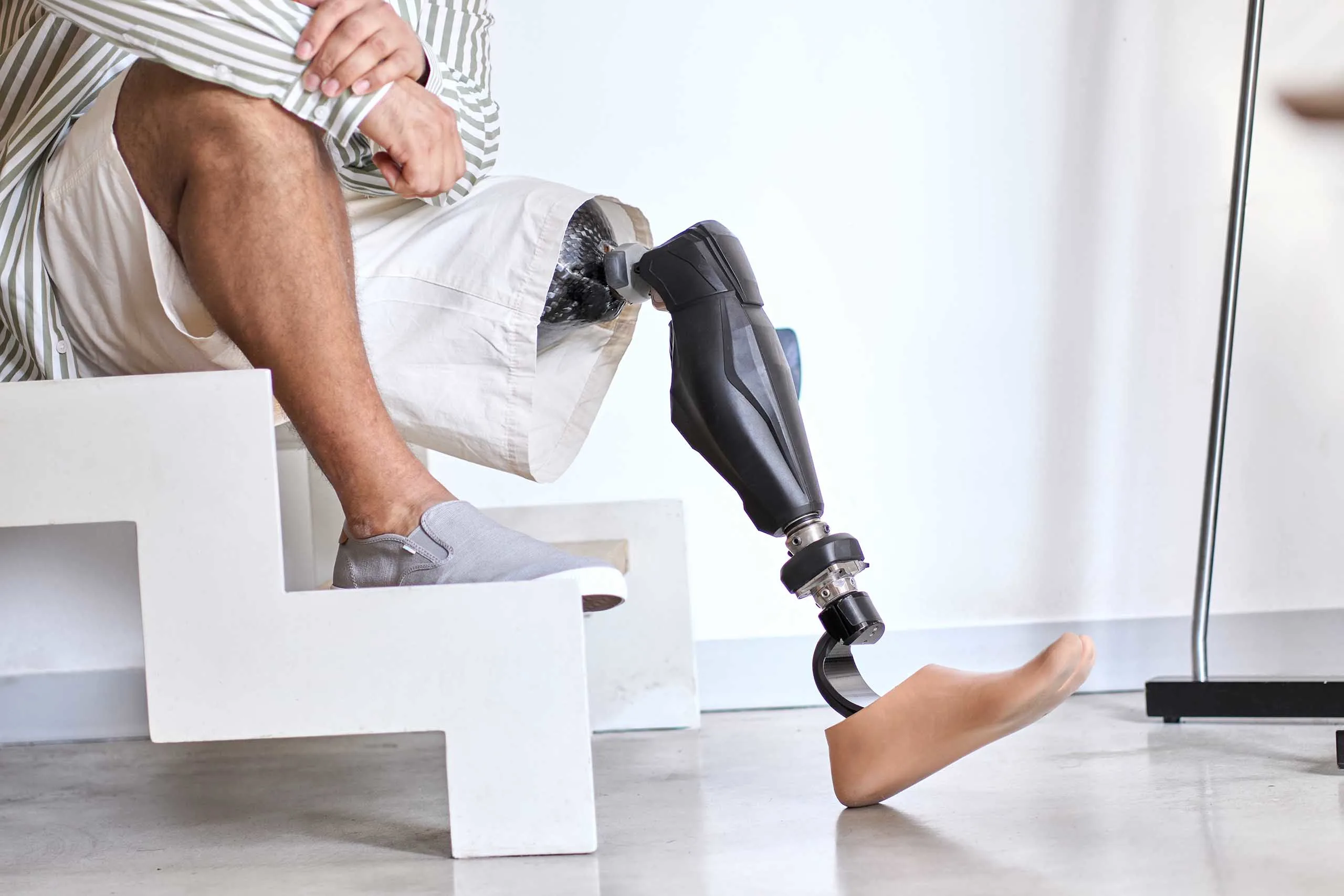
Losing an arm, leg, hand, foot, finger, or toe can change nearly every part of a person’s life. An amputation can affect mobility, independence, employment, relationships, and the ability to complete everyday tasks that once required little thought. The financial impact may also continue long after the initial hospitalization because many amputation injuries require ongoing rehabilitation, prosthetic devices, additional medical procedures, and long-term care.
When another person or company caused the injury, a personal injury claim may provide a way to recover compensation for those losses. At Poltielov Law Firm P.C., we represent injury victims in Queens and throughout New York who have suffered life-changing injuries because of someone else’s negligence. We investigate what happened, identify the responsible parties, document the full impact of the injury, and deal with insurance companies on our clients’ behalf.
If you or someone you love suffered an amputation because of an accident, medical negligence, or other wrongful conduct, contact us for a free consultation. We can review what happened and explain the legal rights that may apply to your situation.
Amputation Injuries Can Affect the Rest of Your Life
Amputation injuries are considered catastrophic injuries because their effects rarely end when someone leaves the hospital. A person may require physical therapy, occupational therapy, pain management, prosthetic fittings, and additional medical treatment throughout life. Some people also need changes to their homes or vehicles so they can safely regain as much independence as possible.
The physical recovery can be difficult as well. Some amputation victims experience phantom limb pain, residual limb complications, infections, or problems using prosthetic limbs. Future medical expenses may include replacement prosthetics, additional surgeries, medications, therapy, medical equipment, and treatment for complications that develop years after the original injury.
There can also be a substantial emotional impact. Adjusting to limb loss may involve grief, anxiety, depression, post-traumatic stress, changes in self-image, and other forms of emotional trauma. These effects matter when evaluating an amputation injury claim because the harm caused by the injury is not limited to medical bills alone.
Accidents That Can Cause Amputation Injuries
A limb may be severed during an accident or damaged so severely that doctors determine a surgical amputation is necessary. Crushing injuries, loss of blood flow, severe infections, burns, and extensive tissue damage are among the circumstances that may make it impossible to save an injured limb.
Vehicle collisions are one potential cause. A serious car accident can crush an arm or leg when the passenger compartment collapses, while truck accidents can expose occupants of smaller vehicles to enormous forces. Motorcycle, bicycle, and pedestrian accidents may also cause severe injuries to the extremities because victims have little protection from the impact.
A car accident amputation may occur immediately during a crash or later when doctors cannot repair the damage to a limb. In either situation, determining why the collision occurred and who was responsible is an important part of the resulting personal injury claim. Evidence may include an accident report, photographs, witness accounts, vehicle data, surveillance footage, and medical records.
Workplace and Construction Accidents
A workplace accident can result in amputation when a hand, arm, foot, or leg becomes trapped in machinery or is struck by heavy equipment. Power presses, conveyors, saws, grinders, forklifts, and other industrial equipment can cause devastating injuries when machinery is defective, safety devices are missing, or proper procedures are not followed.
Construction workers can face similar risks from power tools, heavy machinery, collapsing materials, falls, and vehicle collisions on or around construction sites. Depending on how the injury occurred, a case may involve parties other than the worker’s employer, including contractors, property owners, equipment manufacturers, or other companies working at the site.
Determining the available legal options requires a careful investigation of how the injury occurred. Workplace records, safety documents, equipment maintenance information, photographs, witness statements, and occupational safety requirements may all become important evidence.
Defective Products and Other Accidents
Defective machinery and consumer products can also cause limb loss. A missing safety guard, defective switch, unexpected startup, design flaw, or mechanical failure can place someone’s hands or limbs in danger. When a defective product contributes to an injury, the manufacturer, distributor, or another party in the supply chain may potentially bear responsibility depending on the facts.
Severe falls and other accidents can also result in crushing injuries that ultimately require amputation surgery. Because the legal theory depends on how the injury occurred, we investigate the underlying event rather than treating every amputation claim the same way.
Medical Malpractice Can Lead to an Amputation
Not every amputation begins with an accident. Medical errors may allow an otherwise treatable condition to progress until removing a limb becomes necessary. A delayed diagnosis, failure to treat an infection, surgical error, untreated blood clot, or other form of medical negligence may cause permanent harm that could have been avoided with appropriate medical care.
A medical malpractice claim generally requires showing that a healthcare provider failed to meet the applicable standard of care and that the failure caused the patient’s injury. For example, a delayed diagnosis may allow an infection or circulation problem to progress until doctors can no longer save the affected limb. Other claims may involve errors during a medical procedure or improper follow-up care.
These cases often require detailed medical records and opinions from qualified medical professionals. We examine the patient’s treatment history, the decisions made by healthcare providers, and whether appropriate medical procedures could have prevented the amputation.
The True Cost of Losing a Limb
The cost of an amputation extends well beyond the emergency room. Initial medical expenses may include ambulance transportation, emergency surgery, hospitalization, medications, imaging, specialist care, and rehabilitation. Additional medical costs can continue for years or even for the rest of the injured person’s life.
Prosthetic limbs are another major consideration. A prosthetic may need adjustments, maintenance, or replacement as a person’s body and needs change. Future medical expenses should account for reasonably anticipated prosthetic care as well as physical therapy, occupational therapy, medications, additional surgery, pain management, and other ongoing treatment.
For that reason, we look beyond the medical bills that already exist when evaluating an amputation case. When appropriate, medical specialists, vocational experts, economists, and life-care planners can help identify the long-term medical and financial consequences of the injury.
Lost Income and Earning Capacity
An amputation can keep someone out of work for months while they undergo surgery, rehabilitation, and physical recovery. Lost wages during that period may be part of a personal injury lawsuit when another party is legally responsible for the injury.
Some people can eventually return to the same career, while others cannot perform the physical duties their previous job required. A worker may need retraining, reduced hours, workplace accommodations, or an entirely different occupation. In severe cases, the person may no longer be able to work at all.
Lost earning capacity addresses this longer-term impact. Rather than looking only at paychecks already missed, an amputation claim may need to consider how the injury is likely to affect earnings throughout the person’s remaining working years.
Compensation After an Amputation
Compensation in a personal injury case depends on the circumstances of the injury and the losses that can be established with evidence. There is no standard value for an amputation, and two people with similar physical injuries can experience very different financial and personal consequences.
Economic damages may include medical expenses, future medical care, lost wages, lost income, reduced earning capacity, rehabilitation, prosthetics, medical equipment, and other costs caused by the injury. These losses can be supported through medical records, bills, employment information, expert analysis, and documentation of expected future needs.
Non-economic damages address losses that do not come with an invoice. Depending on the claim, they may include physical pain, emotional distress, emotional trauma, loss of enjoyment of life, and the ways the amputation has affected everyday activities and independence. Our goal is to document both the immediate losses and the consequences our injured clients are likely to face in the future.
Building an Amputation Injury Claim
A strong claim begins with understanding exactly how the injury occurred. We investigate the accident, review available records, speak with witnesses when appropriate, and identify the people or companies whose actions may have contributed to the injury.
Evidence depends on the type of case. A vehicle collision may require photographs, an accident report, surveillance video, vehicle information, and witness statements. A workplace accident may require equipment records and safety documentation, while a medical malpractice claim may depend heavily on treatment records and expert medical review.
Medical documentation is especially important because it establishes both the amputation itself and the care required afterward. We also look at rehabilitation, future medical needs, employment changes, prosthetic expenses, and other evidence showing how the injury has changed our client’s life.
Dealing With Insurance Companies
Insurance companies evaluate claims with their own financial interests in mind. An adjuster may dispute fault, question whether all treatment was necessary, challenge projected future expenses, or argue that another party shares responsibility for the injury.
We handle those communications for our clients and present evidence supporting the losses being claimed. That includes not only past medical bills and lost wages, but also future care and financial losses when they can reasonably be established.
If a fair settlement cannot be reached through negotiation, litigation may become necessary. We prepare cases with that possibility in mind rather than assuming an insurance company will voluntarily agree with our assessment of the claim.
New York Deadlines Can Affect an Amputation Claim
Many New York personal injury cases are subject to a three-year statute of limitations, but that deadline does not apply to every situation. Medical malpractice cases generally have a shorter limitations period, and claims involving government entities can have very short notice requirements. For example, a Notice of Claim may need to be served within 90 days in certain claims against municipal entities.
The correct deadline depends on what caused the amputation, who may be responsible, and other circumstances surrounding the case. Waiting can also create problems even when the filing deadline is still months or years away because physical evidence can disappear, surveillance footage may be overwritten, and witnesses’ memories can fade.
Speaking with an attorney early gives us an opportunity to determine the applicable deadlines and preserve important evidence. It also gives us more time to understand the long-term medical outlook before evaluating the full extent of the claim.
New York’s Comparative Negligence Rule
New York follows a pure comparative negligence rule. This means being partially responsible for an accident does not automatically prevent an injured person from recovering damages, although compensation can be reduced according to that person’s share of fault.
Comparative fault can become important in vehicle collisions, falls, workplace-related third-party claims, and other accidents that result in limb loss. Insurance companies may attempt to place as much responsibility as possible on the injured person because doing so can reduce what they have to pay.
We gather evidence surrounding how the injury occurred and challenge unsupported attempts to shift blame to our clients. The percentage of fault assigned to each party can have a substantial effect on the final recovery.
What to Do After an Accident That Causes a Serious Limb Injury
Immediate medical care comes first after an accident involving severe damage to an arm or leg. Even when an amputation occurs later, the earliest medical records can help document the original trauma, efforts made to save the limb, and why amputation eventually became medically necessary.
When possible, evidence from the accident scene should also be preserved. Photographs, video, witness contact information, an accident report, damaged equipment, and other records can become important when determining how the injury occurred. Someone should avoid giving detailed recorded statements to an insurance company before understanding how those statements may affect a claim.
Continue following the treatment plan recommended by your healthcare providers and keep records of appointments, prescriptions, therapy, prosthetic care, and other medical treatment. Those records help show not only what has already happened but also the ongoing effect the injury has on your physical recovery and everyday life.
Why Amputation Cases Require a Long-Term View
An amputation case cannot be evaluated solely by adding up today’s medical bills. A person may be living with the consequences of the injury for decades, and some of the highest costs may not occur until years after the claim begins.
Future prosthetic replacements, rehabilitation, additional medical procedures, home modifications, mobility equipment, and long-term medical care may need to be considered. The injury may also affect career opportunities, household responsibilities, recreation, family life, and a person’s ability to live independently.
At Poltielov Law Firm P.C., we work to understand what our clients’ lives looked like before their injuries and what they are likely to need moving forward. That gives us a more complete picture of the compensation necessary to address both present losses and the long-term consequences of limb loss.
Frequently Asked Questions About Amputation Claims
How much is an amputation injury claim worth?
There is no standard settlement amount for losing a limb. The value depends on factors such as the type of amputation, age, occupation, medical treatment, future medical expenses, prosthetic needs, lost earning capacity, physical limitations, emotional effects, and available insurance coverage. We evaluate those factors individually rather than relying on generic settlement averages that may have little relationship to a particular person’s circumstances.
How long do I have to file an amputation lawsuit in New York?
Many New York personal injury lawsuits must be filed within three years, but important exceptions exist. Medical malpractice claims generally have a different deadline, and claims involving government entities can require action much sooner, including a Notice of Claim within 90 days in certain situations. Because the correct deadline depends on the type of case and defendant, it is important to determine which rules apply as early as possible.
Can medical malpractice cause an amputation?
Yes. Medical negligence can lead to limb loss when a healthcare provider fails to diagnose or properly treat a condition, allows an infection to progress, makes a surgical error, or otherwise provides care that falls below the applicable medical standard. Establishing malpractice usually requires a careful review of the medical records and input from qualified medical professionals.
Can I recover the cost of future prosthetic limbs?
Future prosthetic expenses may be included when they are reasonably expected as a result of the injury. The calculation may need to account for replacement devices, adjustments, maintenance, changes in technology, and the injured person’s anticipated needs over time. Other future medical costs, including rehabilitation and additional treatment, may also be part of the damages analysis.
Can I recover compensation if I was partially responsible for the accident?
Potentially, yes. New York’s comparative negligence rules allow an injured person to recover damages even when that person shares some responsibility for the accident, although the recovery can be reduced by the percentage of fault assigned to them. Evidence showing exactly how the accident happened therefore remains important even when fault is disputed.
Do I have to pay upfront to hire Poltielov Law Firm?
We handle personal injury matters on a contingency fee basis, which means our attorney fee is tied to obtaining a recovery for our client rather than requiring an attorney fee upfront. During a free consultation, we can explain the fee arrangement and answer questions about how the process works. We want clients to understand those terms before an attorney-client relationship begins.
Speak With Poltielov Law Firm About an Amputation Injury
An amputation changes far more than one part of the body. It can affect a person’s health, career, finances, independence, and daily life for years to come. When that loss was caused by negligence, the resulting claim should account for more than the bills that have already arrived.
At Poltielov Law Firm P.C., we represent people who have suffered serious and catastrophic injuries throughout Queens, NY. We investigate how the injury occurred, document its long-term consequences, and pursue fair compensation from the parties responsible.
Call (718) 880-2911 or contact us online to schedule a free consultation. We can review your case, explain your legal rights, and discuss the next steps for pursuing an amputation claim.