
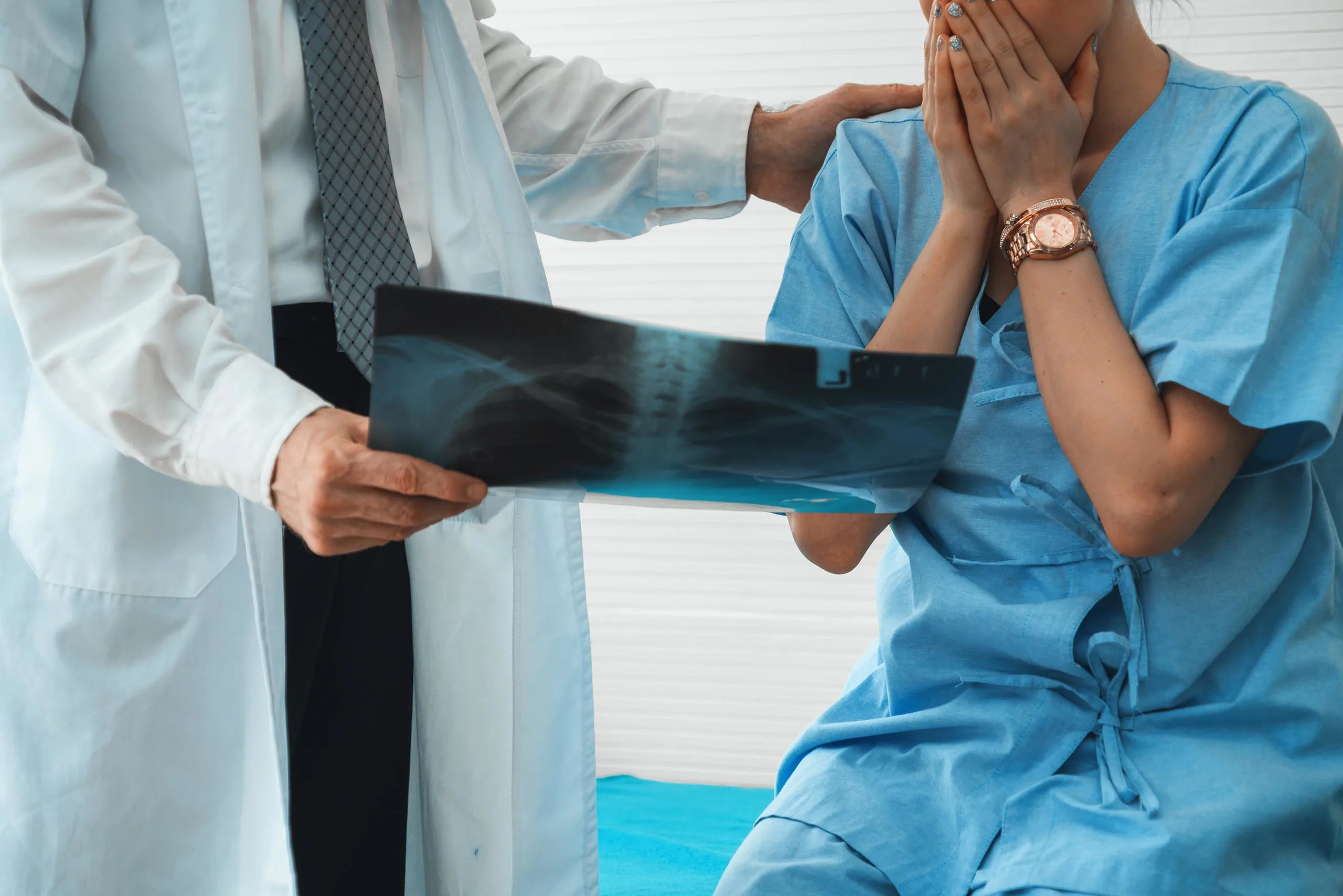
A broken bone can be far more serious than it sounds. Some fractures heal with a cast and several weeks of rest, while others require surgery, metal plates or screws, months of physical therapy, and time away from work. Even after the bone heals, a person may continue to experience pain, weakness, limited movement, or complications that affect everyday life.
At Poltielov Law Firm P.C., we represent people who suffered broken bones because of another person’s negligent actions. We investigate how the injury occurred, gather evidence, document medical treatment and financial losses, and deal with the insurance company on our client’s behalf. If you suffered a serious fracture in Queens, contact us for a free consultation about your legal rights and options for seeking compensation.
Broken Bones and Fractures Are the Same Injury
A fracture is the medical term for a broken bone. A fracture can range from a small crack to a bone that has broken into several pieces or pierced through the skin. The location and severity of the break can determine whether someone needs a cast, surgery, hospitalization, rehabilitation, or future medical care.
Doctors typically use X-rays to diagnose fractures, although CT scans, MRIs, or other imaging may be needed for certain injuries. Treatment can involve immobilization with a cast or splint, manually realigning the bone, or surgery to place plates, screws, rods, or other hardware. A serious injury involving surrounding nerves, blood vessels, muscles, or organs may require additional medical procedures.
The recovery process also varies considerably. Some people regain normal function relatively quickly, while others experience lasting problems with strength, mobility, or pain. Those differences matter when determining the losses associated with a personal injury lawsuit.
Different Types of Bone Fractures
Not all broken bones heal the same way. The type of fracture can affect treatment, recovery time, the likelihood of complications, and how significantly the injury interferes with work and daily activities.
Common fracture types include:
- Closed fractures: The bone breaks without piercing the skin.
- Open or compound fractures: The broken bone creates an open wound or breaks through the skin, increasing the risk of infection.
- Displaced fractures: The broken sections of bone move out of their normal alignment.
- Comminuted fractures: The bone breaks into three or more pieces and may require surgery to repair.
- Compression fractures: A bone collapses under pressure, often affecting the vertebrae of the spine.
- Stress fractures: Small cracks develop from repetitive force rather than one major impact.
- Hairline fractures: A thin crack develops in the bone and may initially produce less obvious symptoms.
The location of the fracture matters just as much as its type. A broken wrist may interfere with someone’s ability to type or use tools, while a fractured ankle or leg may prevent walking, driving, or standing for extended periods. Pelvic, hip, spinal, and multiple fractures can create especially complicated recoveries.
Accidents That Can Cause Broken Bones
Broken bones can result from many forms of trauma. What matters legally is not simply that a fracture occurred, but whether another person, business, property owner, or other party was legally responsible for causing the injury.
A car accident can fracture the arms, legs, ribs, pelvis, wrists, ankles, or other bones when occupants strike the steering wheel, dashboard, doors, or other parts of the vehicle. The force of a serious collision can also cause multiple fractures at the same time.
Pedestrians and bicyclists have even less protection from an impact. A pedestrian accident may result in leg, hip, pelvic, arm, or facial fractures when a person is struck by a vehicle or thrown onto the pavement. Bicycle accidents can similarly cause wrist, collarbone, arm, and leg fractures when a rider is struck or thrown from the bicycle.
Broken Bones From Slip and Fall Accidents
A slip and fall accident can cause a person to land directly on a wrist, arm, hip, knee, or ankle. Broken bones are particularly common when someone instinctively extends an arm to stop the fall or lands heavily on one side of the body.
Falls may happen because of wet floors, damaged stairs, uneven walking surfaces, ice, poor lighting, or other known hazards. When unsafe conditions on someone else’s property cause an injury, premises liability may allow the injured person to pursue a claim against a responsible property owner or another party.
Evidence is especially important after a fall accident because dangerous conditions can disappear quickly. Photographs, surveillance video, witness information, incident reports, inspection records, and maintenance documents may help establish what caused the fall and whether the responsible party knew or should have known about the hazard.
Construction Accidents and Fractures
A construction accident can cause serious fractures through falls from heights, falling materials, heavy equipment, machinery, vehicle collisions, or structural failures. Workers may suffer multiple broken bones that require surgery and prevent them from returning to physically demanding jobs for months.
Depending on how the accident happened, parties other than the worker’s employer may bear responsibility. Contractors, property owners, equipment manufacturers, and other companies may potentially be involved. Determining liability requires investigating the circumstances surrounding the accident rather than assuming every workplace injury follows the same legal process.
Evidence may include photographs, witness statements, safety records, equipment information, incident reports, and documentation showing who controlled the work or dangerous condition. Preserving that evidence early can make a significant difference when responsibility is disputed.
Fractures That May Require Surgery
Some broken bones cannot heal properly with a cast or splint alone. A displaced or comminuted fracture may require surgery to return the bone to the correct position and stabilize it while it heals. Surgeons may use plates, screws, rods, pins, or other hardware to hold the bone together.
Open fractures can be particularly serious because the wound creates an opportunity for bacteria to reach the damaged tissue and bone. Immediate medical care may be necessary to clean the wound, prevent infection, repair damaged tissue, and stabilize the fracture.
Surgery can also extend the recovery period. Patients may need hospital stays, follow-up imaging, medications, physical therapy, and additional procedures. In some cases, hardware causes irritation or other problems and must later be removed through another operation.
Long-Term Complications of Broken Bones
A fracture does not always stop causing problems when an X-ray shows that the bone has healed. Damage to surrounding tissue, nerves, blood vessels, joints, or cartilage can create lasting symptoms. The location and severity of the original injury often influence whether those problems continue.
Possible complications include:
- Chronic pain
- Reduced range of motion
- Muscle weakness
- Nerve damage
- Blood vessel damage
- Infection
- Post-traumatic arthritis
- Joint stiffness
- Difficulty walking or standing
- Problems lifting or using an injured arm or hand
- Additional surgery
- Permanent physical limitations
Post-traumatic arthritis can become particularly important in claims involving fractures near a joint. A person may develop increasing pain and stiffness months or years after the accident happened, potentially requiring injections, medication, additional physical therapy, or surgery.
Future medical expenses therefore matter when doctors reasonably expect additional treatment. Resolving a claim before the long-term medical outlook is understood can make it difficult to account for treatment that becomes necessary later.
Medical Evidence in a Broken Bone Claim
Medical records provide much of the foundation for a fracture claim. Emergency room records, diagnostic imaging, orthopedic evaluations, surgical reports, physical therapy records, and follow-up appointments can document the injury and show how treatment progressed.
Seeking immediate medical care is important for both health and documentation. Some fractures are obvious, but others may initially feel like a sprain, bruise, or other less serious injury. Continuing to use an injured limb without appropriate treatment can make certain fractures worse.
Following medical advice also creates a clearer record of the recovery process. Missed appointments or long gaps in medical treatment may give an insurance company an opportunity to argue that the injury healed sooner than claimed or that ongoing symptoms are unrelated to the accident.
How a Broken Bone Can Affect Your Work
A fracture can make it impossible to perform even basic job duties. Someone with a broken leg may not be able to stand, walk, or drive, while a broken hand, wrist, or arm can prevent typing, lifting, operating equipment, or performing skilled manual work.
Lost wages may include income missed during hospitalization, surgery, recovery, and physical therapy. Self-employed people and workers whose income changes from week to week may need additional records to establish what they would likely have earned without the injury.
Some fractures create longer-term employment problems. If permanent limitations prevent someone from returning to the same occupation or reduce the amount of work they can perform, lost income or diminished earning capacity may become part of the damages analysis.
Compensation in a Broken Bone Case
Compensation depends on the severity of the fracture and how it affected the injured person’s health, finances, employment, and daily activities. A fracture that heals after several weeks in a cast is very different from one requiring multiple surgeries and leaving permanent limitations.
Economic damages may include:
- Medical bills and related medical expenses
- Future medical treatment
- Physical therapy and rehabilitation
- Lost wages
- Reduced earning capacity
- Other documented financial losses caused by the injury
Non-economic damages address the human impact of the injury, including physical pain, suffering, emotional distress, loss of enjoyment of life, and limitations caused by the fracture. These losses do not come with receipts, so medical documentation and evidence showing how the injury affected everyday activities can become important.
There is no universal settlement amount for broken bones. We evaluate the type of fracture, treatment required, recovery period, permanent limitations, financial losses, available insurance coverage, and evidence of liability when assessing the full value of a claim.
Broken Bones and New York’s Serious Injury Threshold
When a fracture results from a motor vehicle accident, New York’s no-fault insurance rules can affect how compensation is pursued. No-fault coverage generally pays qualifying medical costs and part of a person’s lost earnings regardless of who caused the collision.
New York law also uses a serious injury threshold to determine when someone injured in a motor vehicle collision can pursue certain damages against the at-fault party. A fracture is specifically included within New York’s statutory definition of a serious injury.
That distinction can be important after a crash involving broken bones. Although every case still depends on its individual facts, proof of a fracture may satisfy the injury component necessary to pursue damages beyond basic no-fault benefits.
Dealing With the Insurance Company
An insurance company may accept that a bone was broken while still disputing other parts of the claim. Adjusters may question how the accident happened, whether all treatment was necessary, how long the person was unable to work, or whether ongoing symptoms were caused by the fracture.
Early settlement offers can also arrive before the full recovery is known. That can create a problem when someone later learns that additional surgery, physical therapy, or other medical care will be necessary. Once a claim has been fully settled and released, additional costs generally cannot simply be added later.
At Poltielov Law Firm P.C., we gather evidence of the injury, treatment, financial losses, and circumstances of the accident before evaluating whether a proposed settlement fairly reflects those losses. When the insurer disputes liability or damages, we can pursue the available options for resolving the claim.
New York’s Comparative Negligence Rule
An injured person does not necessarily lose the ability to recover damages because they share some responsibility for an accident. New York follows a pure comparative negligence rule, which allows compensation to be reduced according to the injured person’s percentage of fault.
This issue can arise in many types of accidents. A driver may be accused of contributing to a collision, or a property owner may claim that someone should have noticed the condition that caused a fall. Those arguments make evidence about how the accident happened especially important.
We investigate the circumstances rather than accepting an insurer’s version of events. Photographs, video, witness information, reports, and other evidence may help determine how responsibility should actually be allocated.
New York Deadlines for Broken Bone Claims
Many negligence-based personal injury lawsuits in New York are subject to a three-year statute of limitations. However, different deadlines may apply depending on who caused the injury and the type of legal claim involved.
Claims against government entities can involve substantially shorter notice requirements. Other circumstances can also change the applicable deadline, so someone should not assume that three years automatically applies to every case involving a fracture.
Waiting can create practical problems even when the filing deadline is still far away. Surveillance footage can be deleted, physical conditions can change, and witnesses can become difficult to locate. Early investigation gives us a better opportunity to gather evidence while it is still available.
How Poltielov Law Firm Handles Broken Bone Claims
At Poltielov Law Firm P.C., we begin by determining how the injury occurred and identifying the parties who may be responsible. We then gather available evidence, review medical records, document financial losses, and evaluate how the fracture has affected our client’s work and everyday life.
A serious fracture may require us to look beyond today’s bills. Future surgery, rehabilitation, physical limitations, lost earning capacity, and other ongoing consequences can change what fair compensation looks like. We want to understand those issues before resolving the case.
We handle these matters on a contingency fee basis. That means our attorney fee is tied to obtaining a financial recovery rather than requiring an attorney fee upfront. We also offer a free consultation so you can learn about your options before deciding whether to move forward.
Frequently Asked Questions About Broken Bone Claims
Is a fracture considered a serious injury in New York?
A fracture is specifically included in New York’s statutory definition of a serious injury for purposes of the state’s motor vehicle insurance law. This can be important because people injured in car crashes generally must satisfy the serious injury threshold to pursue certain damages outside the no-fault system. The rest of the claim, including liability and damages, still has to be established.
How much compensation can I recover for a broken bone?
There is no standard amount for a fracture claim. A relatively simple break that heals completely may have very different consequences from a serious fracture requiring surgery, hardware, months of physical therapy, and future medical care. Medical expenses, lost wages, pain and suffering, permanent limitations, available insurance coverage, and the strength of the evidence can all affect the outcome.
Can I file a personal injury lawsuit for a broken bone?
Potentially. A broken bone can support a personal injury lawsuit when another party’s negligence or other legally wrongful conduct caused the injury. The evidence needed depends on whether the fracture resulted from a vehicle collision, unsafe property, a construction accident, violent acts, defective equipment, or another event.
What should I do after suffering a broken bone in an accident?
Get medical care as soon as possible, even if you feel fine enough to leave the scene. Some fractures are less obvious immediately after an accident, and prompt diagnosis can help prevent additional damage. When possible, document what happened, preserve photographs and witness information, keep your medical records and bills, and avoid signing a final insurance settlement before you understand your prognosis.
How long do broken bones take to heal?
Recovery time depends on the bone involved, type of fracture, age and health of the patient, and whether surgery is required. Some uncomplicated fractures heal within several weeks, while complex breaks can require months of treatment and rehabilitation. Symptoms such as weakness, stiffness, pain, or reduced mobility can sometimes continue after the bone itself has healed.
What if my fracture requires surgery?
Surgery can significantly increase the medical treatment associated with a fracture. A patient may require plates, screws, rods, or other hardware, followed by rehabilitation and physical therapy. The claim should account for documented treatment already received as well as reasonably anticipated future medical care related to the injury.
Can I recover compensation if I was partly responsible for the accident?
New York’s comparative negligence rules generally allow an injured person to seek compensation even when they share responsibility for what happened. Any recovery can be reduced according to their percentage of fault. Evidence establishing how the accident occurred is therefore important when responsibility is disputed.
Do I have to pay upfront to hire Poltielov Law Firm?
We handle personal injury matters on a contingency fee basis, so our attorney fee is tied to obtaining a recovery for you. You do not pay an attorney fee upfront simply to hire us for the case. During your free legal consultation, we can explain the fee arrangement and answer questions about the legal process.
Contact Our Queens Broken Bones Lawyer
A fracture may heal in weeks, or it may require surgery and affect your mobility, career, and daily life for much longer. If another person’s negligence caused the injury, the claim should reflect the medical care, lost income, physical limitations, and other losses you have actually experienced.
Poltielov Law Firm P.C. represents people injured in accidents throughout Queens and New York. We investigate what happened, gather the evidence needed to support the claim, and pursue fair compensation from the responsible parties.
Call (718) 880-2911 or contact Poltielov Law Firm P.C. for a free case review. We can discuss how your injury occurred, answer your questions, and explain the legal options that may be available.