
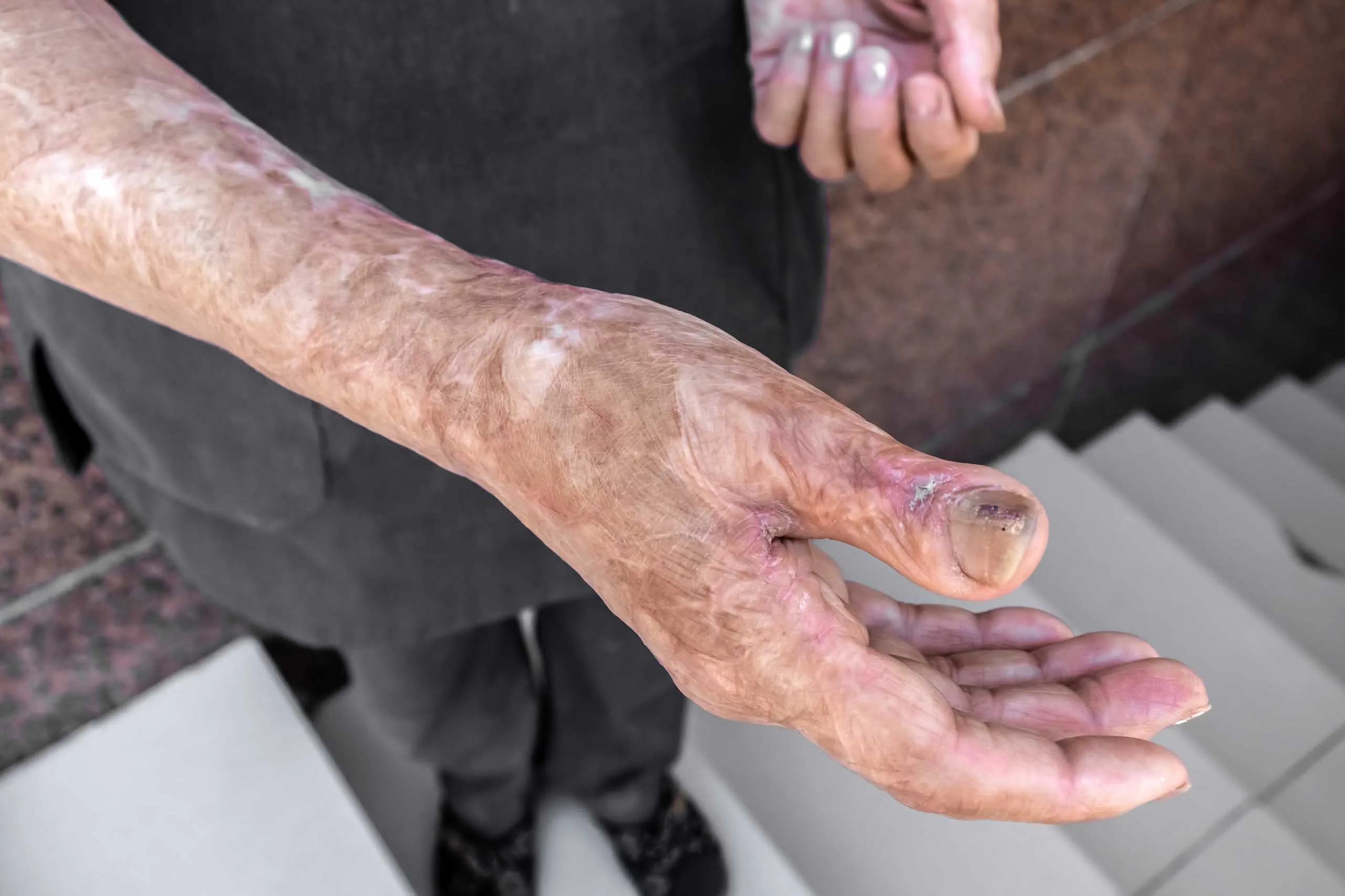
You do not expect to get sicker while hospitalized or leave a health care facility in worse shape than when you arrived, but hospital acquired infection is a serious problem in the US. The US Centers for Disease Control and Prevention (CDC) reports on hospital infection rates, and the data indicate that 1 in 31 people suffers from a healthcare-acquired infection (HAI). Every year, there are around 687,000 patients who suffer from these complications, while up to 72,000 individuals die while in the hospital because of infection.
The CDC also points out that hospital infection is preventable and typically only occur because of negligence by health care providers. In such a situation, you may have rights under New York medical malpractice laws. Our team at Poltielov Law Firm P.C. will advise you on options and assist in obtaining compensation for your losses, so please contact us to set up a free consultation. A New York City hospital infection lawyer can explain how the laws work, but a summary is useful.
Basics on Hospital Acquired Infection
An HAI is an ailment caused by exposure to bacteria, a virus, or other contaminants that occurs while a patient is hospitalized. The most common sources are surgical departments, the ER, and the ICU, though infection can also arise in nursing homes and long-term care facilities. Most hospital infections can be prevented through proper sanitation measures, including thorough cleaning of hands, surgical instruments, catheters, needles, linens, and other materials that come into contact with patients.
When a patient acquires an infection in the health care setting, the consequences can be devastating. Most will require longer periods of hospitalization, and there can be long-term health implications. HAI can also be fatal, such as when the patient develops life-threatening sepsis from an infection.
Hospital-acquired infections can strike anyone receiving medical care in a hospital or other healthcare settings. Even healthy people with strong immune systems are at risk when exposed to dangerous bacteria or viruses. Serious infections spread quickly in hospitals where sick people are in close contact. Medical professionals have a duty to follow strict infection control protocols to protect their patients.
Common Hospital Infections
When health care facilities do not undertake proper sanitation procedures, a patient may develop:
- MRSA, a staph infection that is resistant to antibiotics;
- Central-line associated bloodstream infections (CLABSI);
- Pneumonia from failure to sterilize a ventilator;
- Surgical site infections;
- C. diff. infection in the colon;
- Urinary tract infection, often from unclean catheters; and,
- Many other forms of hospital infection.
Understanding Surgical Site Infections
Surgical site infections are among the most common types of hospital-acquired infections. These infections occur after a surgical procedure when bacteria enter the body through the incision. Doctors and nurses must properly sterilize all surgical instruments and maintain a clean operating environment. When they fail to follow these protocols, patients can develop serious infections that require additional surgery and treatment.
Some surgical site infections develop days or even weeks after the surgical operation. Patients may experience fever, redness, swelling, or drainage from the wound. These infections can spread to deeper tissues or organs if not treated quickly. In severe cases, surgical site infections lead to sepsis, a life-threatening condition that can cause organ failure and death.
Urinary Tract Infections from Catheter Use
Urinary tract infections are another common type of hospital-acquired infection. These infections often develop when patients need catheters during their hospital stay. Healthcare providers must insert and maintain catheters using sterile techniques. When nurses or other staff fail to properly clean catheters or leave them in place too long, bacteria can enter the bladder and cause infection.
Urinary tract infections can quickly spread to the kidneys and bloodstream if left untreated. Patients experience pain, burning, and frequent urination. Some develop fevers and back pain as the infection worsens. These infections are preventable when medical professionals follow proper catheter care guidelines.
HAI Could Indicate Medical Malpractice
An infection may be the result of the failure to comply with the applicable medical standard of care, a sign of medical malpractice. You may have grounds for a claim, and our New York HAI attorneys at Poltielov Law Firm P.C. will tackle all legal requirements to get the monetary damages you deserve. It is possible to recover amounts for:
- Medical costs to treat the infection and associated ailments;
- Lost income;
- Pain and suffering;
- Emotional anguish; and,
- Other losses that impact your quality of life.
Medical malpractice cases involving hospital infections require proof that healthcare providers deviated from accepted standards of care. Your hospital negligence lawyer must show that the infection was preventable and resulted from specific acts of negligence. This might include failure to wash hands, improper sterilization of medical devices, or inadequate staffing levels that prevented proper patient care.
When Healthcare Providers Can Be Held Liable
Healthcare providers can be held liable for hospital-acquired infections under several circumstances. If doctors fail to order appropriate diagnostic tests to identify an infection early, they may be responsible for delayed diagnosis and treatment. Nurses who do not follow proper hand hygiene protocols can spread infections between patients. Hospitals themselves may face liability for inadequate staffing or failure to maintain clean facilities.
Medical negligence can also involve failure to properly monitor a patient’s condition after surgery or other procedures. Early detection of infections is critical for effective treatment. When medical professionals miss warning signs or ignore symptoms, patients suffer more serious injuries and complications. A medical malpractice claim holds all responsible parties accountable.
Types of Damages Available in Hospital Infection Cases
Injury victims of hospital-acquired infections can seek both economic damages and non-economic damages. Economic damages include medical expenses for treating the infection, lost wages from missed work, and future medical care costs. These damages are calculated based on actual bills and financial records. Your medical malpractice lawyer will gather all medical records and receipts to document these losses.
Non-economic damages compensate for pain and suffering, emotional distress, and reduced quality of life. Serious infections cause significant physical pain during treatment and recovery. Patients may experience anxiety, depression, or trauma from their experience. Some infections lead to permanent disabilities that affect every aspect of daily life. New York law allows victims to seek fair compensation for these intangible losses.
Wrongful Death Claims for Fatal Hospital Infections
Wrongful death cases arise when hospital-acquired infections prove fatal. Sepsis is a leading cause of death from hospital infections. This life-threatening condition occurs when the body’s response to infection causes widespread inflammation and organ damage. Even with immediate care in the intensive care unit, many patients do not survive severe sepsis.
Families who lose loved ones to preventable hospital infections can file wrongful death claims. These cases seek compensation for funeral expenses, loss of financial support, and loss of companionship. A medical malpractice lawsuit cannot bring back your loved one, but it can provide financial recovery and hold negligent parties accountable. Our law firm handles wrongful death cases with compassion and dedication.
The Role of Emergency Rooms in Hospital Infections
Emergency room settings present unique risks for hospital-acquired infections. The emergency room sees high volumes of sick patients with various illnesses and injuries. This concentration of illness increases the chance of spreading infections. Emergency room staff must maintain strict hygiene protocols despite time pressure and patient overload.
Emergency room doctors and nurses sometimes cut corners when facilities are crowded. They may not properly sterilize equipment between patients or wash their hands as frequently as needed. These lapses in protocol can expose patients to serious infections. Emergency room negligence is a common cause of healthcare-associated infections in New York City hospitals.
Medical Procedures That Increase Infection Risk
Certain medical procedures carry higher risks of infection than others. Surgical operations, especially those involving implanted medical devices, create opportunities for bacteria to enter the body. Central lines, breathing tubes, and other invasive equipment all increase infection risk. Healthcare providers must weigh these risks against the benefits when planning treatment.
Patients undergoing surgical procedures should be informed about infection risks and what hospitals do to prevent them. Proper preoperative procedures include administering antibiotics and thorough skin cleaning. During surgery, the operating room must maintain sterile conditions. After surgery, careful wound care and monitoring help prevent surgical site infections.
Common Examples of Medical Negligence Leading to Infections
Common examples of negligence that cause hospital infections include failure to wash hands between patients, reusing disposable equipment, and ignoring signs of developing infections. Medication errors can also occur when patients do not receive prescribed antibiotics on time. Delayed diagnosis of infections allows them to worsen and become more dangerous.
Other negligence includes failing to properly clean the medical facility, allowing contaminated medical devices to be used on patients, and discharging patients before infections are fully treated. Hospitals sometimes prioritize cost savings over patient safety, leading to conditions that promote infection spread. These choices put vulnerable patients at unnecessary risk.
Frequently Asked Questions About Hospital Infection Claims
What should I do if I suspect I got an infection from a hospital in New York?
First, seek immediate medical treatment for your infection. Tell your doctors about your recent hospital stay and any procedures you had. Get copies of your medical records from both the hospital where you believe you acquired the infection and the providers treating it now. Document your symptoms, medical expenses, and time missed from work. Contact a New York medical malpractice lawyer who handles hospital acquired infection cases. Most attorneys offer a free consultation to review your situation and explain your options.
How do I prove my infection came from the hospital and not somewhere else?
Proving the source of a hospital-acquired infection requires medical records and expert testimony. Your attorney will work with medical experts who can review when symptoms appeared and compare that timeline to your hospital stay. Certain infections, like MRSA or sepsis following surgery, are strong indicators of hospital-acquired origin. Laboratory tests can sometimes identify the specific strain of bacteria and match it to infections found in the hospital. A medical malpractice lawyer knows how to gather and present this evidence.
What types of compensation can I receive for a hospital infection in New York?
You can recover damages for all medical expenses related to treating the infection, including hospital bills, medications, and follow-up care. Lost wages from missed work are also recoverable. New York allows injury victims to seek compensation for pain and suffering, emotional distress, and reduced quality of life. If the infection causes permanent disabilities, you can claim future medical expenses and lost earning capacity. In wrongful death cases, families can seek compensation for funeral costs and loss of companionship.
How long do I have to file a medical malpractice lawsuit for a hospital infection?
New York law generally gives you two and a half years from the date of the medical malpractice to file a medical malpractice lawsuit. However, this deadline can be complex because the clock may start when you discover the infection rather than when it first occurred. Some cases involve what’s called “continuous treatment,” which can extend the deadline. Because these rules are complicated, you should consult a hospital negligence lawyer as soon as possible. Waiting too long can mean losing your right to file a claim.
Do hospital infection cases really require a lawyer or can I handle the claim myself?
Medical malpractice cases are among the most complex legal matters you can face. Hospitals and healthcare providers have teams of lawyers defending them. You will need expert witnesses to explain medical standards and prove negligence. Medical records can be difficult to interpret without medical knowledge. Insurance companies often try to minimize payouts or deny claims entirely. A medical malpractice lawyer has the resources and experience to build a strong case and fight for maximum compensation. Most work on a contingency fee basis, meaning you pay nothing unless they win your case.
Discuss Your Rights with a New York Hospital Infection Lawyer
It is helpful to understand how medical malpractice laws work, but you will need experienced representation to pursue your claim and obtain fair compensation. For additional information, please contact Poltielov Law Firm P.C., or call us now at 718-880-2911 so we can schedule a no-cost case review with a New York healthcare-acquired infection attorney who can advise you on details. Our law firm has handled numerous medical malpractice cases involving hospital-acquired infections throughout New York City and the surrounding areas.
We understand the physical pain, emotional trauma, and financial burden that hospital infections cause patients and families. Our team works tirelessly to hold negligent healthcare providers and hospitals accountable. Whether your case involves surgical site infections, urinary tract infections, sepsis, or other serious infections, we have the knowledge and resources to fight for you. Contact us today for a free consultation to discuss your medical malpractice claim and learn how we can help you recover the compensation you deserve.